
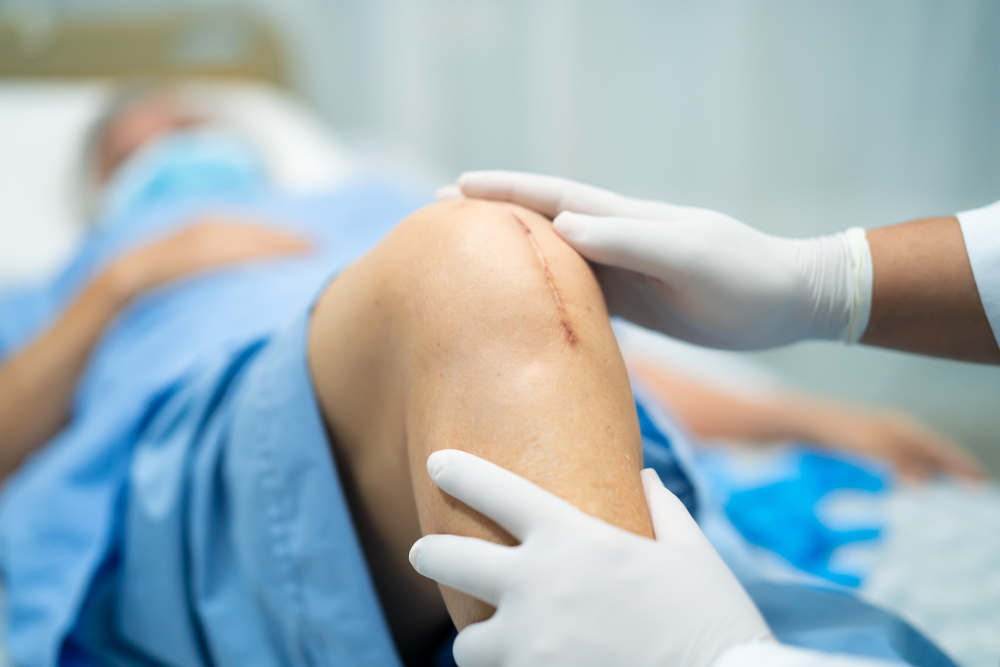
What Is Partial Knee Replacement?
Partial knee replacement is a surgery that replaces only the damaged part of your knee. For many people with early knee arthritis, this option can help relieve pain and improve movement. Unlike total knee replacement, only one part of the knee joint is replaced. As a result, healthy bone and tissue are left untouched. This surgery is sometimes called unicompartmental knee replacement. Many doctors recommend it for people with arthritis in just one area of the knee.
Symptoms and Diagnosis of Early Knee Arthritis
Early knee arthritis often causes mild but annoying symptoms. For example, you may notice pain when you walk or climb stairs. Sometimes, your knee may feel stiff in the morning or after sitting. Swelling can also happen, but it is usually not severe at first. Because these signs can be mild, many people ignore them. However, early diagnosis is important. Doctors use a mix of your medical history, a physical exam, and X-rays to check for arthritis. In some cases, an MRI may help show early damage. If you have these symptoms, it is wise to see a doctor soon.
Who Is a Candidate for Partial Knee Replacement?
Not everyone with knee pain needs surgery. However, some people are good candidates for partial knee replacement. You may be a candidate if:
Doctors will check your knee carefully before recommending this surgery. In many cases, people with early knee arthritis are the best fit.
Benefits and Risks of Partial Knee Replacement
Partial knee replacement offers several benefits. First, it keeps more of your natural knee. This often means a quicker recovery and a knee that feels more normal. Also, the surgery is usually less invasive than a total knee replacement. As a result, many people return to daily activities sooner. However, there are some risks. For example, arthritis may develop in other parts of the knee later. There is also a small risk of infection, blood clots, or problems with the new joint. According to the American Academy of Orthopaedic Surgeons, most people have good results, but all surgery has risks.
How the Procedure Works
During partial knee replacement, the surgeon removes the damaged bone and cartilage. Then, they place a small implant to replace the worn area. Usually, the surgery takes about one to two hours. Because only part of the knee is replaced, the incision is smaller. Most people stay in the hospital for one or two days. In some cases, you may go home the same day. Doctors use special tools to make sure the new part fits well. After surgery, you will start moving your knee soon to help healing.
Recovery and Rehabilitation
Recovery from partial knee replacement is often faster than from total knee replacement. For example, many people walk with help the same day. Physical therapy starts soon after surgery. This helps you regain strength and movement. Most people return to normal daily activities within four to six weeks. However, full recovery can take up to three months. You may need to avoid high-impact sports, but walking, swimming, and biking are usually safe. Your doctor will give you a plan to follow at home. Sticking to this plan helps you heal faster and lowers the risk of problems.
Prevention and Lifestyle Tips for Knee Health
Even after surgery, it is important to care for your knees. For instance, keeping a healthy weight reduces stress on your joints. Regular exercise, like walking or swimming, keeps your muscles strong. Stretching can help keep your knees flexible. If you play sports, use the right gear and warm up before activity. Eating a balanced diet with enough calcium and vitamin D supports bone health. In addition, avoid smoking, as it can slow healing. If you live in a city like Dallas or Houston, look for local support groups or physical therapy centers. These resources can help you stay active and manage knee arthritis well.