
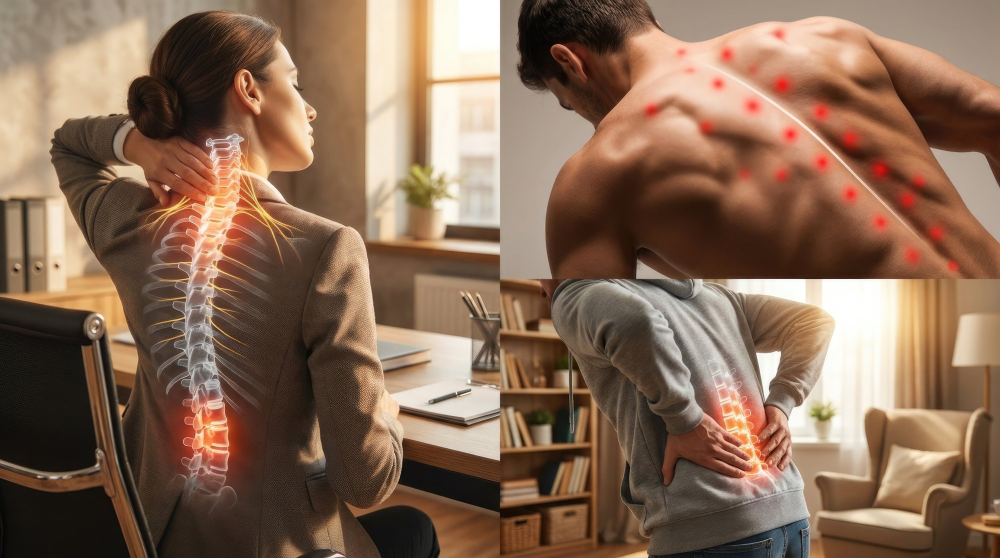
What Is a Slip Disc?
Definition
Many people wonder about the difference between slip disc and muscle strain. A slip disc, also called a herniated disc, happens when the soft part inside a spinal disc pushes out. This can press on nerves in your back. The spine is made up of bones called vertebrae. Discs sit between these bones and act like cushions. When one of these discs slips, it may cause pain or numbness.
Common symptoms
Slip disc symptoms can be different for each person. However, some signs are more common. For example, you might notice:
Sometimes, a slip disc can make it hard to move or walk. In rare cases, it can affect bladder or bowel control. If this happens, seek help right away.
Typical causes
Often, a slip disc happens because of wear and tear as we age. Lifting heavy objects the wrong way can also cause it. Sometimes, a sudden injury or accident leads to a slipped disc. According to the CDC, most cases are linked to aging and repeated strain on the back.
What Is a Muscle Strain?
Definition
A muscle strain means a muscle or its tendon has been stretched or torn. This can happen in any part of the body, but it is common in the back. Muscle strains are often mild, but sometimes they can be more serious.
Common symptoms
Muscle strain symptoms are usually easy to spot. For instance, you may feel:
Unlike a slip disc, muscle strains rarely cause numbness or tingling.
Typical causes
Muscle strain causes include lifting something too heavy or moving suddenly. Sometimes, poor posture or not warming up before exercise can lead to a strain. Even sitting for long periods may cause back muscles to tighten and strain.
Key Differences Between Slip Disc and Muscle Strain
Symptom comparison
Risk factors
While both problems can happen to anyone, some things increase your risk. For example, aging, heavy lifting, and repeated back strain raise the chance of a slip disc. On the other hand, sudden movements, poor posture, and weak muscles make muscle strains more likely. Knowing these risks can help you protect your back.
How Are Slip Disc and Muscle Strain Diagnosed?
Diagnostic methods
Doctors use several ways to find out if you have a slip disc or muscle strain. First, they ask about your symptoms and check your back. Sometimes, they use imaging tests like X-rays or MRI scans. These tests help show if a disc is out of place or if there is muscle damage. Blood tests are not usually needed.
When to see a doctor
If you have back pain that lasts more than a few days, see a doctor. Also, seek help if you have numbness, tingling, or weakness. If you lose control of your bladder or bowels, get medical care right away. Early diagnosis can help you recover faster.
Treatment Options
Home care
For mild cases, home care may help. For instance, you can:
Medical treatments
If pain does not improve, doctors may suggest physical therapy. Sometimes, stronger medicines or injections help. In rare cases, surgery may be needed for a slip disc. Muscle strains rarely need surgery. According to the WHO, most back pain gets better with simple care.
Recovery tips
During recovery, follow your doctor’s advice. For example, avoid heavy lifting and sudden movements. Stay active with light exercise. This helps your back heal and keeps muscles strong.
Prevention and Lifestyle Guidance
Tips for back health
There are many ways to keep your back healthy. For example:
Exercise and posture advice
Regular exercise helps prevent both slip disc and muscle strain. Try walking, swimming, or gentle stretching. Always warm up before activity. In addition, pay attention to your posture. Stand and sit up straight. This reduces stress on your back and lowers your risk of injury.