
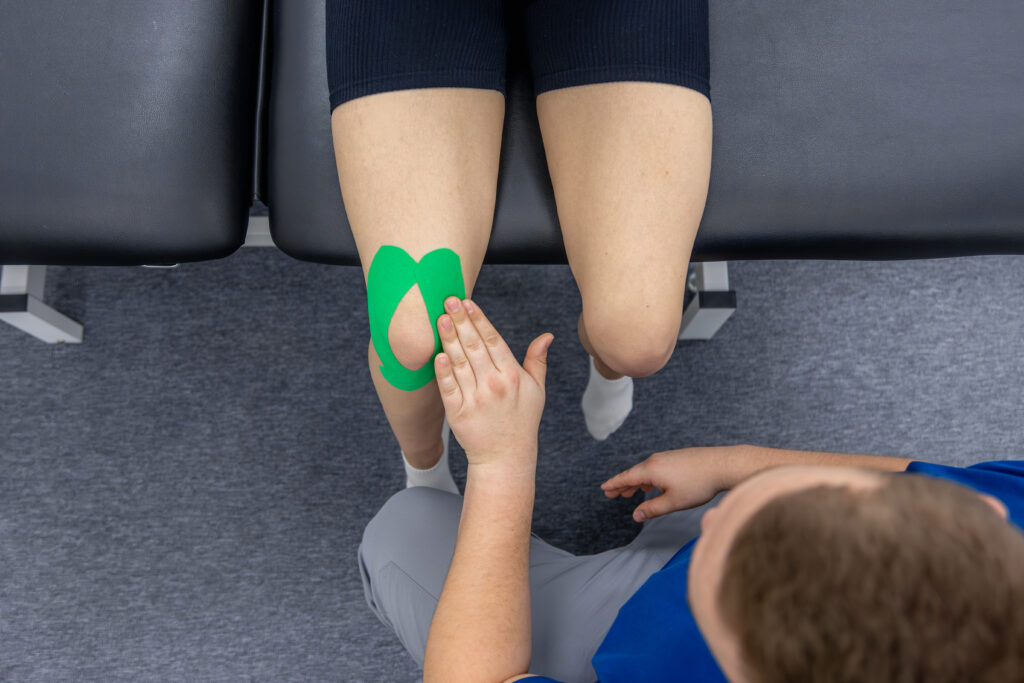
What Is Patella Dislocation?
Patella dislocation happens when the kneecap, also called the patella, moves out of its normal place. Usually, the patella sits in a groove at the end of your thigh bone. However, a sudden twist or direct hit can push it out of this groove. As a result, the knee may look odd and feel painful. Patella dislocation is more common in active people, but it can happen to anyone. Early care can help you heal faster and avoid future problems.
Common Symptoms
After a patella dislocation, you may notice several signs. For example, your knee might swell quickly. In many cases, the kneecap looks out of place. You may also feel:
Sometimes, you may hear a popping sound when the injury happens. If you notice these symptoms, seek medical help right away.
Causes and Risk Factors
Several things can cause patella dislocation. Most often, it happens during sports or activities that involve sudden changes in direction. However, it can also occur after a fall or direct blow to the knee. Some people are more at risk because of:
In addition, young athletes and teens are more likely to experience this injury. Warmer climates may also increase risk, as people tend to be more active outdoors.
How Patella Dislocation Is Diagnosed
Doctors use several steps to diagnose patella dislocation. First, they will ask about your injury and symptoms. Next, they will examine your knee for swelling, bruising, and movement. Often, doctors order X-rays to check for broken bones. Sometimes, an MRI may be needed to look at soft tissues like ligaments and cartilage. Early diagnosis helps guide the best treatment plan for you.
Treatment Options for Patella Dislocation
Treatment depends on how severe the dislocation is. In many cases, doctors can gently move the kneecap back into place. After that, you may need to wear a knee brace or splint for a few weeks. Other common treatments include:
In rare cases, surgery may be needed if the kneecap keeps dislocating or if there is damage to the bone or cartilage. Your doctor will discuss the best option for your situation.
Recovery and Lifestyle Tips
Recovery from patella dislocation can take several weeks. However, following your doctor’s advice can speed up healing. Here are some helpful tips:
Staying active is important, but always start slow. If you feel pain or swelling, stop and rest. With time and care, most people return to their normal activities.
Prevention Strategies
While not all patella dislocations can be prevented, you can lower your risk. For example, you can:
In addition, talk to your doctor if you have a history of knee problems. They may suggest special exercises or braces to protect your knee.
For more information, you can visit trusted sources like the World Health Organization (WHO) or the Centers for Disease Control and Prevention (CDC).
Consult an orthopedic specialist for personalized guidance on patella dislocation relief.