
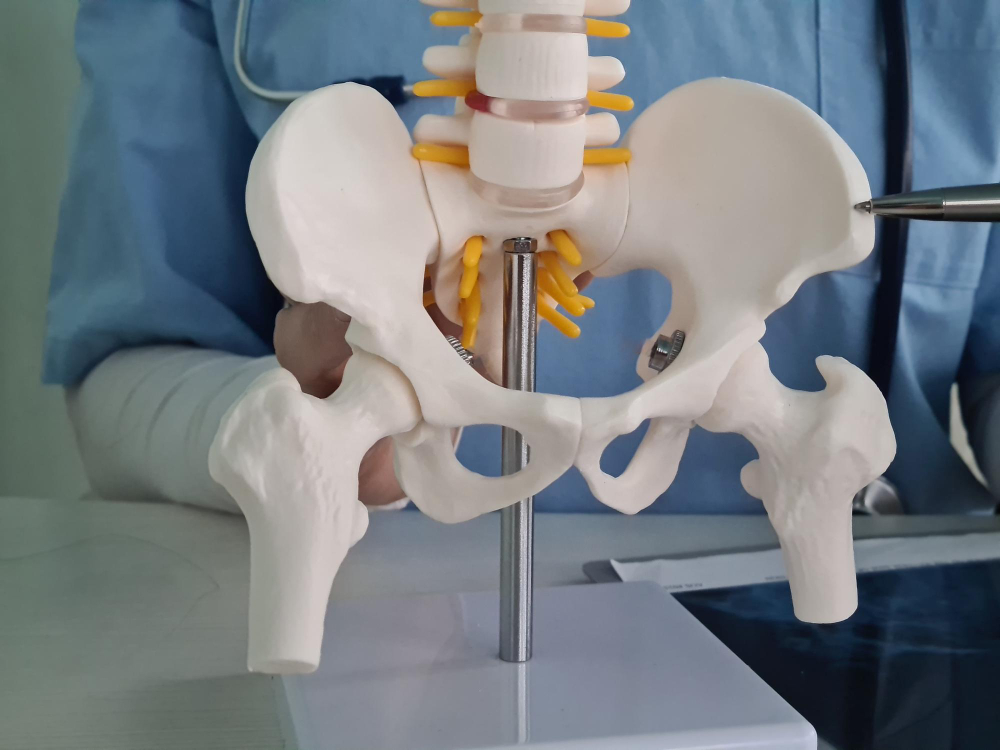
What is Total Hip Replacement (THR)?
Total hip replacement is a surgery that replaces a damaged hip joint with an artificial one. Many people choose this procedure when hip pain makes daily life hard. Often, doctors recommend THR when other treatments do not help. This surgery can reduce pain and improve movement. According to the World Health Organization, hip replacement is safe and helps many people regain their independence.
Symptoms and Conditions Leading to THR
Many people experience hip pain before considering total hip replacement. Usually, this pain gets worse over time. Sometimes, it can make walking or standing difficult. Other symptoms may include:
For some, these symptoms come from conditions like osteoarthritis, rheumatoid arthritis, or hip injuries. If you notice these signs, it is important to talk to your doctor.
Causes and Risk Factors
Several causes can lead to the need for total hip replacement. Most often, wear and tear from aging is the main reason. However, other causes include:
Additionally, some people have a family history of hip problems. Staying active and keeping a healthy weight can lower your risk.
Diagnosis and Evaluation Process
First, your doctor will ask about your symptoms and medical history. Next, they will check your hip movement and pain level. Often, doctors use X-rays or MRI scans to see the joint clearly. These tests help find out how much damage is present. Sometimes, blood tests are needed to rule out infections or other problems. After gathering this information, your doctor will decide if total hip replacement is the best option for you.
Overview of the THR Surgical Procedure
During total hip replacement, the surgeon removes the damaged parts of your hip. Then, they place new artificial parts made of metal, plastic, or ceramic. Usually, the surgery takes about two hours. Most people receive anesthesia, so they do not feel pain during the procedure. After surgery, you will spend some time in the hospital for monitoring. The goal is to help you move safely and start your recovery.
Recovery and Rehabilitation After THR
Recovery after total hip replacement is important for a good outcome. At first, you may need help walking or standing. Physical therapy starts soon after surgery. This helps you regain strength and movement. Most people can go home within a few days. However, full recovery can take several months. During this time, you should:
With proper care, many people return to normal activities and enjoy less pain.
Lifestyle Tips and Precautions Post-Surgery
After total hip replacement, it is important to protect your new joint. For example, avoid high-impact sports or sudden movements. Instead, choose gentle activities like walking, swimming, or cycling. Always use proper techniques when bending or lifting. In addition, keep your home free of tripping hazards. Some helpful tips include:
These steps can help prevent injuries and keep your hip healthy.
Prevention and Maintaining Hip Health
While not all hip problems can be prevented, you can lower your risk. Staying active helps keep your joints strong. Eating a balanced diet supports bone health. If you play sports, always use the right gear. In addition, avoid smoking and limit alcohol, as these can weaken bones. Regular check-ups with your doctor can catch problems early. By taking these steps, you can protect your hips and delay the need for surgery.
Conclusion
Total hip replacement can offer relief from pain and improve your quality of life. However, it is important to understand the symptoms, causes, and recovery process. If you have ongoing hip pain, consult an orthopedic specialist for personalized advice about total hip replacement.