
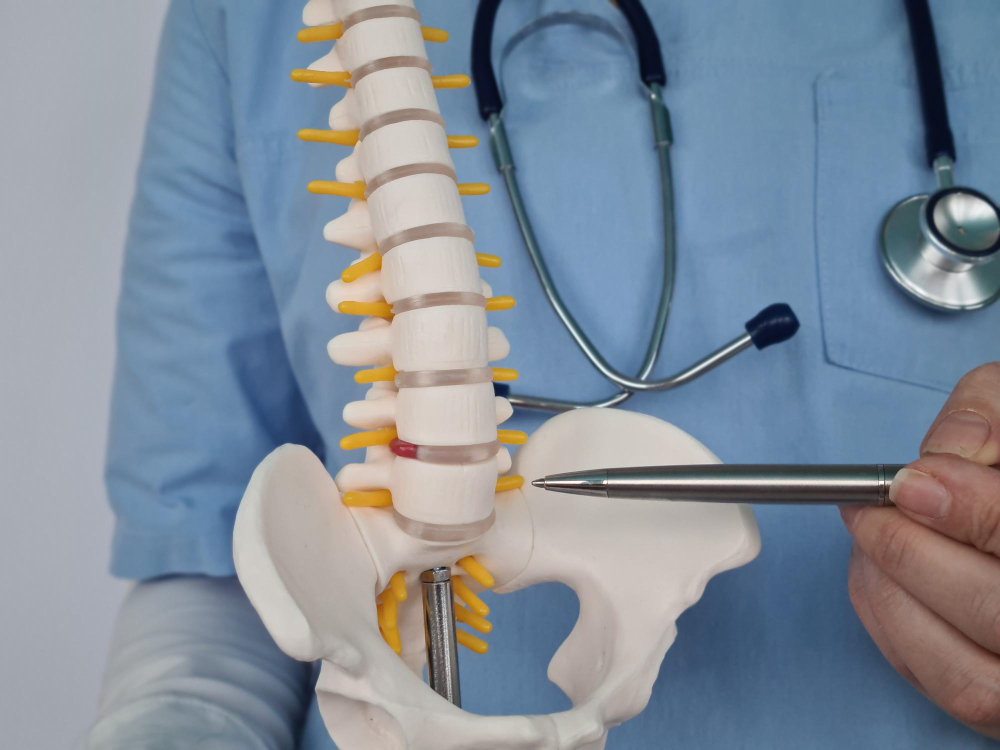
Spondylolisthesis is a condition where one of the bones in your spine slips out of place. This can cause pain and other problems. Sometimes, doctors recommend fusion surgery for spondylolisthesis if other treatments do not help. Fusion surgery joins two or more bones in your spine to stop movement and ease pain. Many people want to know when spinal fusion for spondylolisthesis is needed. This blog explains what spondylolisthesis is, treatment options, and when surgery becomes an option.
What Is Spondylolisthesis?
First, it helps to know what spondylolisthesis means. In this condition, a spinal bone, called a vertebra, slips forward over the bone below it. This often happens in the lower back. Sometimes, it can happen in the neck. According to the American Academy of Orthopaedic Surgeons, spondylolisthesis can be caused by birth defects, injuries, or wear and tear over time.
There are different types of spondylolisthesis:
Because the slipped bone can press on nerves, it may cause pain or weakness.
Symptoms and Impact on Daily Life
Not everyone with spondylolisthesis has symptoms. However, many people notice pain in their lower back. Sometimes, the pain spreads to the legs. For some, standing or walking makes the pain worse. On the other hand, sitting may bring relief.
Common symptoms include:
Because pain can limit movement, daily tasks may become hard. For example, bending, lifting, or even walking can be difficult. As a result, some people may miss work or stop doing favorite activities.
Non-Surgical Treatment Options
Doctors usually try non-surgical treatment options for spondylolisthesis first. These treatments aim to reduce pain and help you move better. For many people, these steps work well.
Common non-surgical treatments include:
Sometimes, a doctor may suggest weight loss to ease pressure on the spine. According to the CDC, staying active and managing weight can help back pain. However, if these treatments do not help, surgery may be considered.
When Do Doctors Consider Fusion Surgery?
Doctors consider fusion surgery for spondylolisthesis when other treatments do not work. Usually, surgery is not the first step. Instead, it is an option if pain is severe or if nerves are affected.
Fusion surgery may be recommended when:
In some cases, children or teens with severe slips may need surgery sooner. For adults, doctors look at X-rays and symptoms before deciding. In cities with advanced care, like fusion surgery in New York or Los Angeles, patients may have more options for expert care.
How Is Fusion Surgery Performed?
Fusion surgery for spondylolisthesis joins two or more bones in the spine. This stops the bones from moving and helps ease pain. Usually, the doctor uses bone grafts, which are small pieces of bone, to help the bones grow together.
During surgery, the doctor may:
Sometimes, the surgery is done through the back. Other times, it is done through the belly or side. The method depends on your needs and the doctor’s advice. According to peer-reviewed studies, most people spend a few days in the hospital after spinal fusion for spondylolisthesis.
Risks and Benefits of Fusion Surgery
Like all surgeries, fusion surgery has risks and benefits. Many people feel better after surgery, but it is important to know what to expect.
Benefits may include:
However, there are risks, such as:
According to the American Academy of Orthopaedic Surgeons, most people recover well, but some may need more treatment later. Therefore, doctors carefully weigh the risks and benefits before recommending surgery.
Recovery and What to Expect After Surgery
After fusion surgery, recovery takes time. Most people stay in the hospital for a few days. At first, you may need help walking or moving. Physical therapy often starts soon after surgery to help you regain strength.
During recovery, you may:
Because healing takes months, it is important to follow your doctor’s advice. According to the CDC, most people can return to work or school within a few months. However, some may need more time, depending on their job or activity level. In many cases, people feel less pain and move better after recovery from spondylolisthesis surgery.