
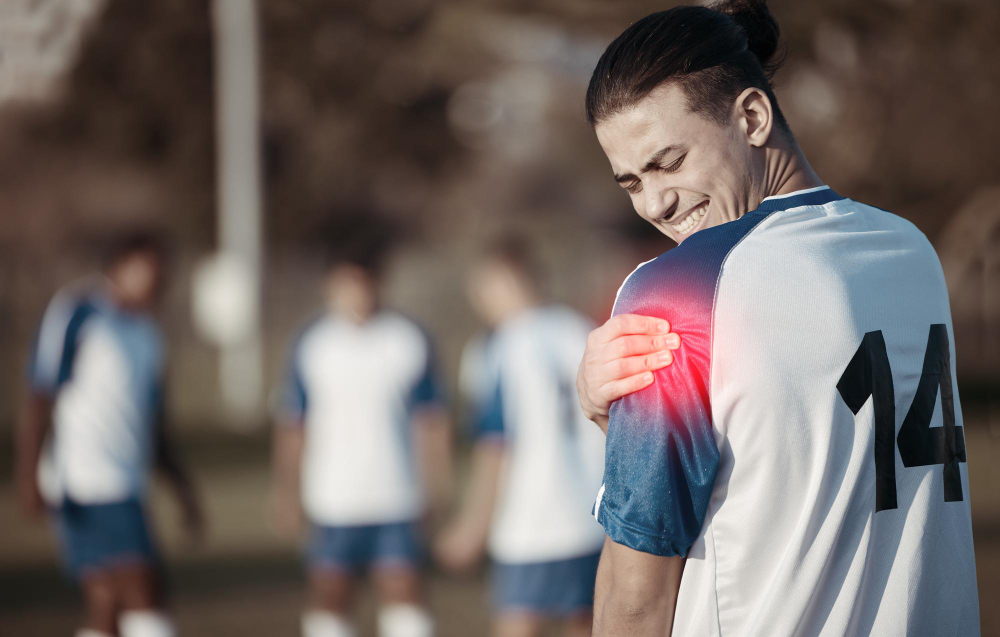
What Is Normal Muscle Soreness?
After exercise, many people feel muscle soreness. This is a common part of getting stronger. In fact, normal muscle soreness often starts 12 to 24 hours after activity. It usually peaks at about 48 hours, then fades away. This feeling is called delayed onset muscle soreness (DOMS). For most, it means the muscles are adapting and healing. According to the CDC, mild soreness is safe and expected after new or intense exercise.
What Is a Sports Injury?
Sometimes, pain after activity is not normal. A sports injury happens when a muscle, joint, or bone is damaged. For example, you might twist an ankle or pull a muscle. Unlike soreness, sports injuries often cause sharp pain, swelling, or bruising. The pain may start right away or soon after the activity. The World Health Organization notes that sports injuries can happen to anyone, not just athletes.
Key Differences Between Muscle Soreness and Sports Injuries
It can be hard to tell the difference. However, knowing what to look for helps. Here are some key differences:
Common Causes of Muscle Soreness
Many things can lead to muscle soreness. For instance, you may feel sore after:
Because these causes are normal, most people recover quickly with rest and gentle activity.
Common Causes of Sports Injuries
Sports injuries can happen for many reasons. Some common causes include:
In many cities, busy sports seasons can increase the risk of injuries for both kids and adults.
Symptoms: When to Worry
Sometimes, pain signals a bigger problem. You should watch for these warning signs:
If you notice any of these, it is best to seek orthopedic care or see a doctor.
Diagnosis: How Professionals Tell the Difference
Doctors use several steps to tell sports injuries from normal muscle soreness. First, they ask about your symptoms and how the pain started. Next, they check the area for swelling, bruising, or loss of movement. Sometimes, they may order X-rays or scans to look for broken bones or torn tissues. Because early diagnosis helps recovery, it is important to get checked if you are unsure.
Treatment Options for Muscle Soreness
Most muscle soreness gets better on its own. However, you can speed up recovery with these tips:
Usually, muscle soreness fades within a few days.
Treatment Options for Sports Injuries
Sports injuries may need more care. Depending on the injury, treatment can include:
In some cases, seeing an orthopedic specialist is important for proper healing.
Prevention Tips for Active Individuals
Staying active is great for health. Still, you can lower your risk of both soreness and injuries with these steps:
With these habits, you can enjoy sports and exercise safely in your area or city.