
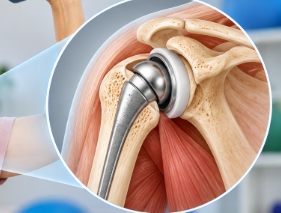
Shoulder replacement surgery is a procedure that replaces damaged parts of the shoulder joint with artificial parts. Many people choose this surgery to relieve shoulder pain and restore movement. When shoulder pain limits daily activities, this surgery can help. For example, it often helps people with severe arthritis or injuries. As a result, shoulder replacement surgery can improve quality of life by reducing pain and making movement easier.
What Is Shoulder Replacement Surgery?
Shoulder replacement surgery is a type of orthopedic surgery. During the procedure, a surgeon removes damaged bone and cartilage from the shoulder. Then, the surgeon replaces them with artificial parts, called implants. These implants are usually made of metal and plastic. Because the new parts move smoothly, they help reduce pain and improve movement.
There are several types of shoulder replacement surgeries:
Who Needs Shoulder Replacement Surgery?
Many people need shoulder replacement surgery because of long-term shoulder pain or loss of movement. Often, these problems are caused by conditions such as:
Sometimes, people notice certain symptoms that may mean surgery is needed. For instance, you may feel:
If these symptoms do not improve with medicine or therapy, surgery may be an option.
How Is Shoulder Replacement Surgery Performed?
Before surgery, doctors give anesthesia so you do not feel pain. Usually, the procedure takes about two hours. First, the surgeon makes a small cut over the shoulder. Next, the damaged bone and cartilage are removed. After that, the artificial parts are placed and secured. Finally, the surgeon closes the cut with stitches or staples.
Most people stay in the hospital for one to three days. Because every case is different, your doctor will explain the best approach for you.
Benefits of Shoulder Replacement Surgery
After surgery, many people notice less pain and better movement. In fact, studies show that most patients can return to daily activities with less discomfort. Some key benefits include:
Because the new joint moves smoothly, it often feels more natural than before.
Recovery and Rehabilitation
Recovery after shoulder replacement surgery takes time. Most people wear a sling for a few weeks to protect the shoulder. Physical therapy usually begins soon after surgery. This helps restore strength and movement.
Here are some tips for a smoother recovery:
While some people feel better in a few weeks, full recovery may take several months. However, steady progress is common with regular exercise and care.
Risks and Potential Complications
Like any surgery, shoulder replacement has risks. Although most people recover well, some may have problems such as:
If you notice redness, swelling, fever, or severe pain, contact your healthcare provider right away. Early treatment can prevent more serious problems.
Prevention and Lifestyle Guidance After Surgery
After shoulder replacement surgery, it is important to protect your new joint. For example, you should avoid heavy lifting or sudden movements. Regular, gentle exercise helps keep the shoulder strong and flexible. Your doctor or therapist can suggest safe activities.
To support recovery and long-term shoulder health:
With the right care and lifestyle changes, many people enjoy lasting pain relief and better movement after surgery.