
Introduction
Aquatic therapy benefits for children with physical disabilities are becoming more recognized. Many parents seek new ways to help their kids move and feel better. Aquatic therapy for kids, also called water-based rehabilitation, uses water to support and improve movement. Children with physical disabilities often face challenges with daily activities. However, water can make exercises easier and more fun. In this blog, we will explore how aquatic therapy works and why it helps children with physical disabilities.
What Is Aquatic Therapy?
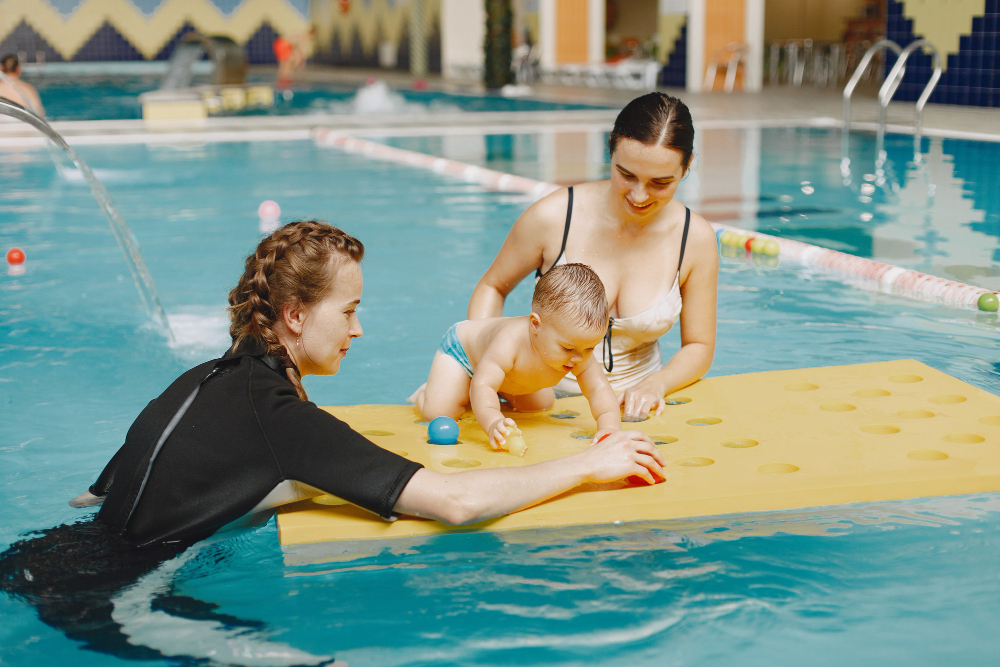
Aquatic therapy is a type of physical therapy done in a warm pool. Specially trained therapists guide children through gentle exercises in water. The water supports the body, making it easier to move. Because of this, children can try movements that may be hard on land. Aquatic therapy is safe and enjoyable for many kids. It is often used as part of a child’s overall treatment plan.
Common Physical Disabilities in Children
Many children have physical disabilities that affect how they move. Some common conditions include:
Each child is unique. Therefore, therapy plans are made to fit their needs. Physical disabilities in children can make walking, balance, and daily tasks harder. But with the right support, children can improve their skills.
How Aquatic Therapy Works
In aquatic therapy, water provides gentle resistance and support. Because water makes the body feel lighter, children can move more freely. Therapists use games and exercises to help kids build strength and balance. For example, a child may walk, jump, or stretch in the pool. The warm water also relaxes tight muscles. As a result, children often feel less pain and more comfort during sessions.
Key Benefits of Aquatic Therapy for Children
Aquatic therapy offers many benefits for children with physical disabilities. Some of the main advantages include:
According to the American Physical Therapy Association and CDC, water-based rehabilitation can help children reach their goals faster. Many families notice improvements in daily life after regular aquatic therapy sessions.
Safety Considerations and Professional Guidance
Safety is very important in aquatic therapy. Always work with a trained pediatric therapist. Pools should be clean, warm, and easy to access. Therapists watch children closely to prevent accidents. In addition, parents should ask about emergency plans and staff training. Some children may need extra support or special equipment. Therefore, it is important to discuss your child’s needs with the therapy team before starting.
Tips for Parents Considering Aquatic Therapy
If you are thinking about aquatic therapy for your child, consider these tips:
Many cities now offer aquatic therapy for kids with physical disabilities. Some hospitals and community centers have special programs. Therefore, you may find options close to home.
Conclusion
Aquatic therapy can make a big difference for children with physical disabilities. The water helps kids move, play, and grow stronger. With the right support, many children enjoy better health and more confidence. Consult a pediatric specialist or physical therapist to learn if aquatic therapy is right for your child.